Birmingham City’s Visionary Stadium: A Powerhouse for Fans, Community and City Identity

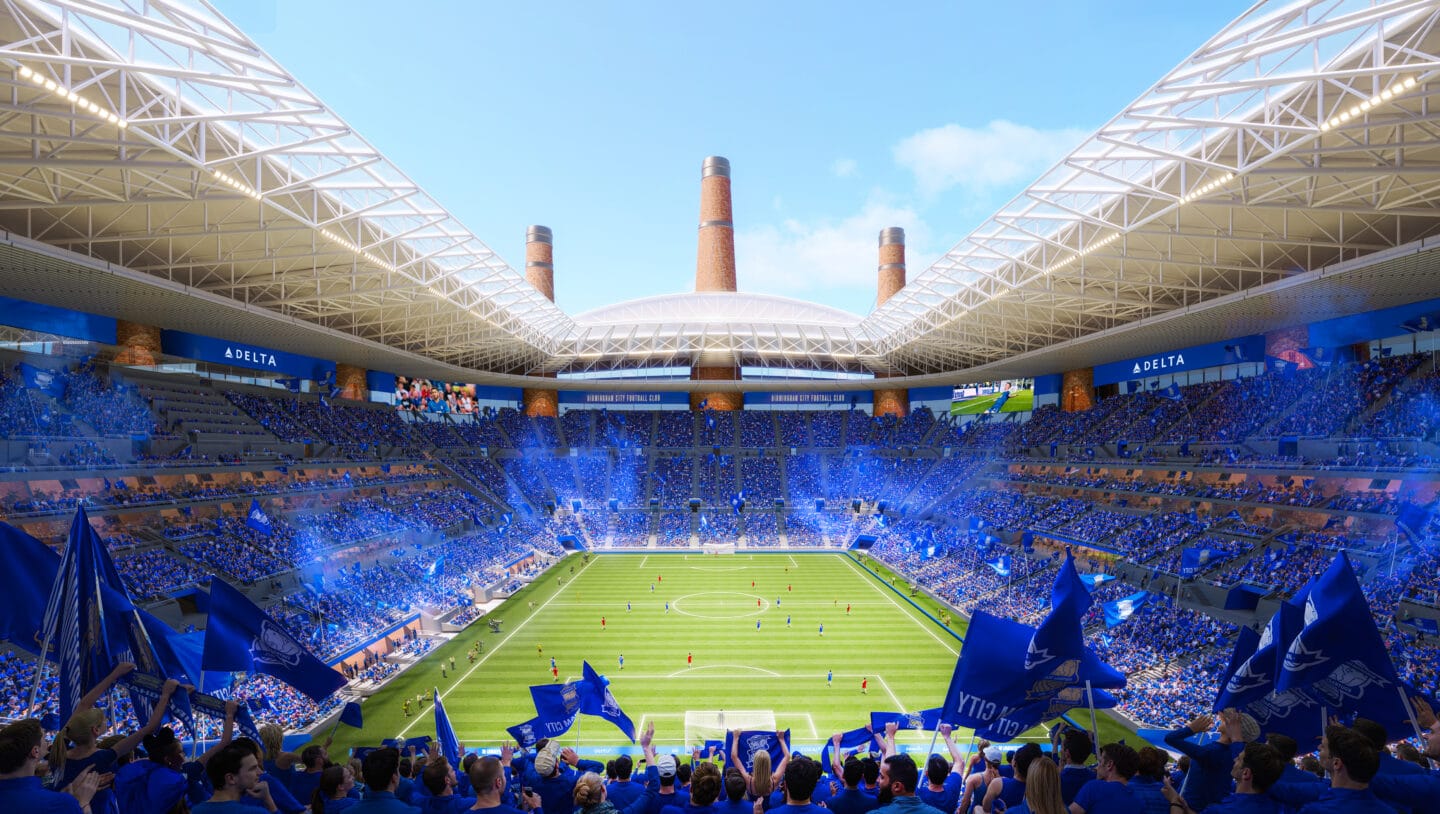
In a bold statement of ambition, Birmingham City Football Club has unveiled plans for a new world-class stadium — a structure that goes far beyond the typical sporting venue. Designed by the celebrated Heatherwick Studio in partnership with MANICA Architecture, the proposed stadium will not only anchor the club’s competitive future but also act as a catalyst for the regeneration of East Birmingham and a celebration of the city’s industrial heritage.
A momentous day in the Club's history. 🏟️
— Birmingham City FC (@BCFC) November 20, 2025
We are proud to unveil the designs for our NEW 62,000-capacity stadium, developed by the world-renowned Heatherwick Studio and MANICA Architecture. pic.twitter.com/99dQG09ZC1
A Stadium for the 21st Century (and Beyond)
The new stadium — a 62,000-seat, multifunctional venue provisionally dubbed The Birmingham City Powerhouse — is set to replace historic St. Andrew’s and become one of the largest football stadiums in the UK
Rather than being a purely functional bowl, the design emphasizes flexibility and year-round use:
- A retractable roof and movable pitch will allow the ground to host football, concerts, major sporting events and large-scale community gatherings.
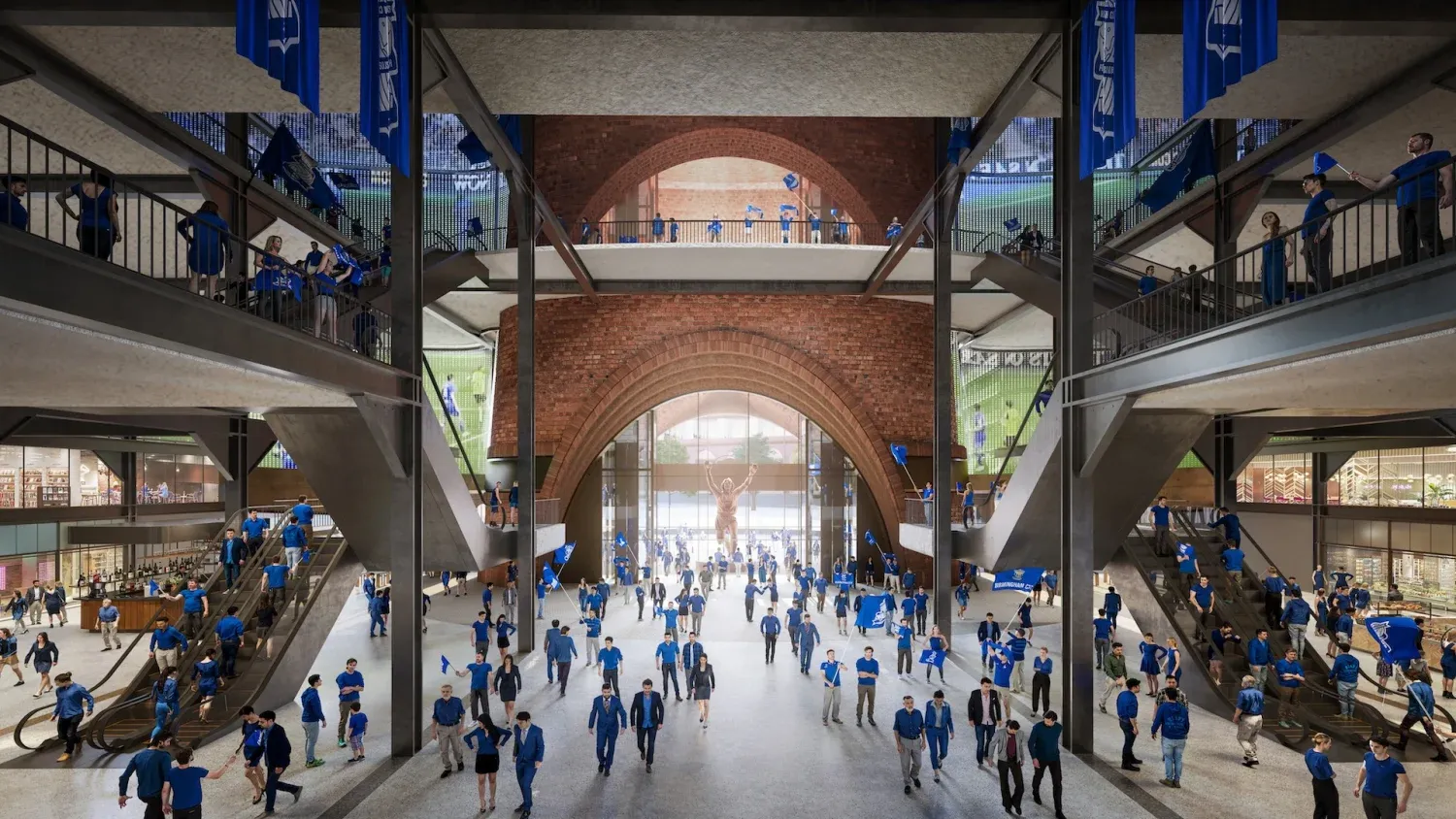
- The stadium is conceived as a civic destination rather than a match-day box — open, welcoming and dynamic throughout the week

Weaving Identity into Architecture
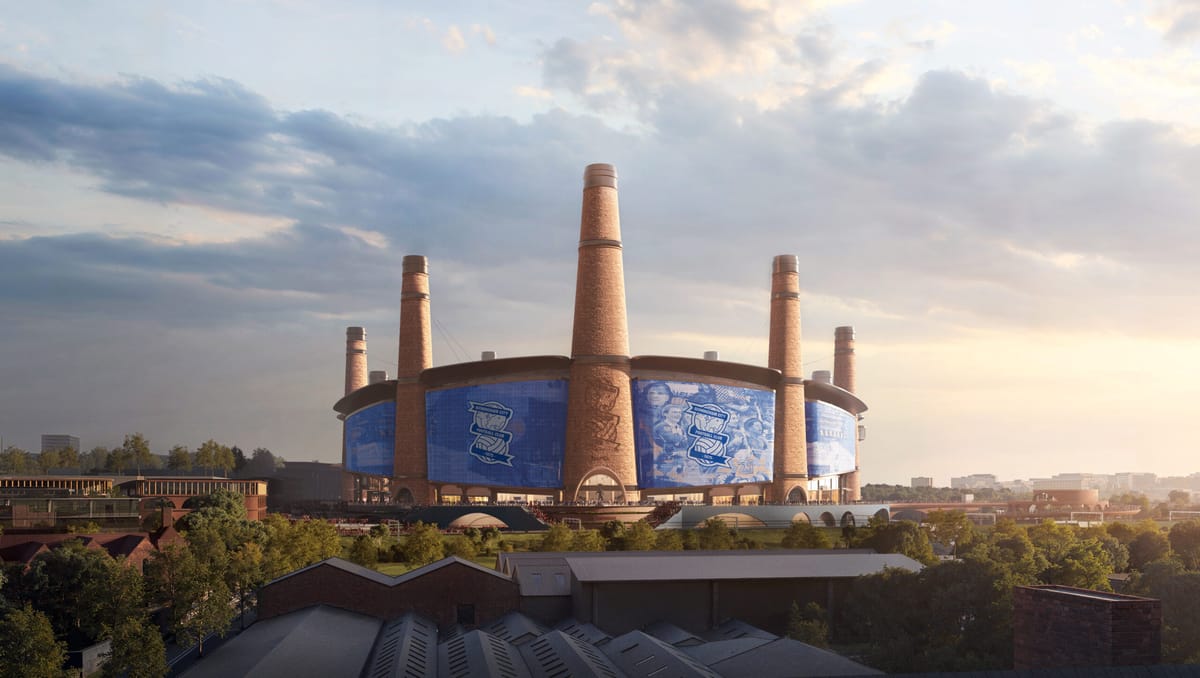
Where this project truly stands apart is in its creative tribute to Birmingham’s industrial DNA. Twelve towering chimney-like structures rise around the stadium’s exterior, a clear architectural nod to the brickworks and factories that defined the neighbourhood’s history.
But these are more than symbolic gestures:
- The chimneys are designed as functional elements, housing access stairs, lifts (including access to what’s set to be Birmingham’s highest bar) and even contributing to ventilation and acoustic enhancements.
- The use of reclaimed local brick and references to traditional materials helps root the stadium in its place, telling a story of craft and industrial ingenuity rarely seen in modern sports venues.
This approach signals a subtle — but important — shift in stadium design. Rather than isolating the venue from local culture, the new Birmingham stadium celebrates and reflects it, embedding identity into the very fabric of the building.
A Commercial and Community Powerhouse
Football stadiums are no longer just places for sport — and the Birmingham project recognises this fully.
The new ground will form the heart of the planned Sports Quarter, a mixed-use district that will include:
- High-performance training facilities
- Academy and women's team venues
- Shops, cafes, bars and restaurants
- Residential spaces and leisure areas
- Connected public realm and transport links, including enhanced tram access.
This commercial hub is designed to operate 365 days a year, engaging the local community and visitors alike. On top of traditional match-day revenues, the development aims to generate income from:
- Entertainment and hospitality offerings
- Retail and dining experiences
- Conference, concert and cultural events
- Tourism drawn by a landmark building.
In doing so, Birmingham City’s stadium reflects a broader shift in how clubs think about their real estate: as economic engines, not solely sporting venues. This trend — rooted in maximising utilization and diversifying revenue streams beyond match-days — is now a hallmark of major stadium developments globally.
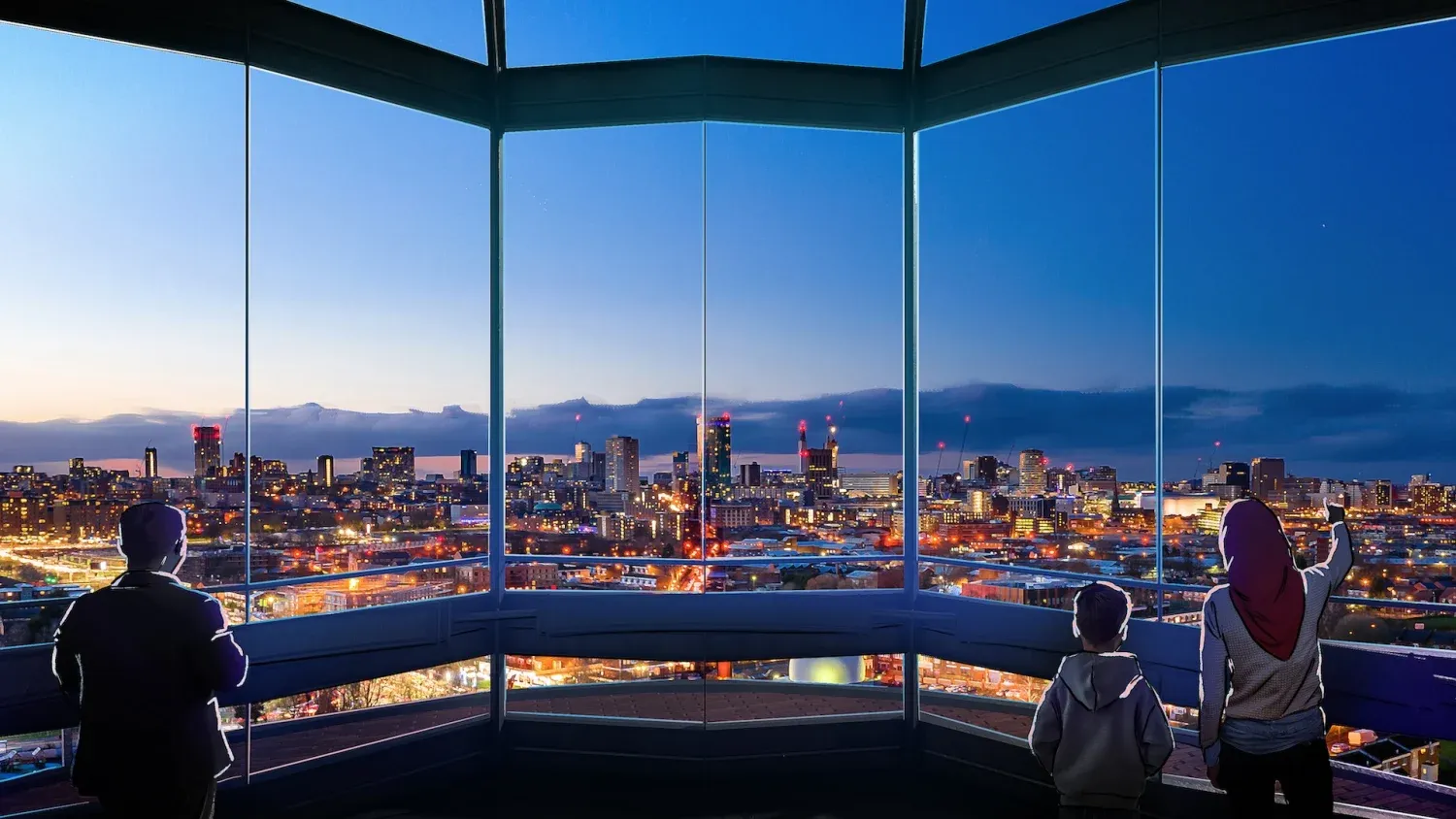
Regeneration and Identity in Balance
Beyond economic impact, the project has been championed as a regeneration force for one of the city’s historically deprived areas. Investment from Knighthead Capital Management, alongside government backing, could bring billions to the region — supporting jobs, growth, and urban renewal.
Yet perhaps the most striking element of this ambitious build isn’t the capacity or the commercial potential — it’s the deliberate embrace of Birmingham’s story. Through careful use of form, material and symbolism, the stadium is conceived not just as a backdrop for sport, but as a living narrative of place and heritage.
In a world where stadiums increasingly resemble global brands and generic entertainment facilities, Birmingham City’s new home stands apart — a bold tribute to who the club is, who the city was, and who both aspire to become.